




Light and electricity, two aspects of nature that you experience daily. Light nourishes our cells and primes our bodies to take what we give them and use it more efficiently. Electricity powers life, electrical impulses helping to form our every thought, movement, and action. Together, light and electricity are critical components for life. Red light therapy harnesses the power of light by using specific, scientifically studied wavelengths of light to promote energy production and efficient energy consumption on a cellular level. EMS uses finely-tuned electrical impulses that have been shown to activate both fast and slow-twitch muscles to train over 90% of the body’s muscle groups. Together, they create the perfect compliment to each other, with EMS helping you train and build strength and burn fat, and red light therapy helping you recover faster in between sessions, reduce inflammation, and even promote better skin appearance for a truly full-body transformation.
What is Electrical Muscle Stimulation?
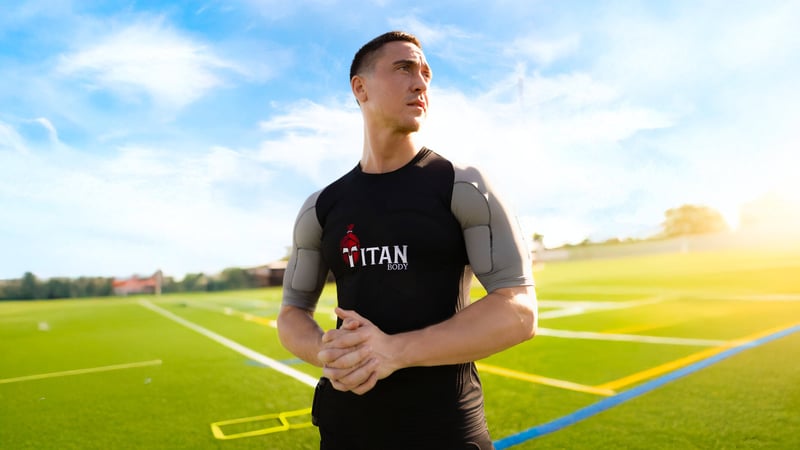
Electrical Muscle Stimulation (EMS) uses mild electrical impulses to cause muscles to contract. By placing electrodes on the skin near muscle groups, EMS devices send low-level electrical signals that make your muscles flex as if you were exercising. This engages both slow-twitch and fast-twitch muscle fibers, leading to strengthening and conditioning without heavy weights. No heavy weight or cumbersome gym equipment means no undue wear and tear on your joints. In just 20 minutes of low-impact training, EMS users can achieve the results of 3-4 hours of intense conventional training.
EMS can help increase muscle strength and endurance, improve core strength, and even reach muscle fibers that regular workouts might miss. It’s widely used by athletes and physical therapists for muscle recovery and rehabilitation, as it can prevent muscle atrophy and expedite strength gains after injuries. EMS also promotes circulation and helps to reduce pain by disrupting pain signals and triggering endorphin release, especially when used in TENS mode for pain relief. EMS works by mimicking natural muscle activation, which can boost blood flow, strengthen muscles, and reduce discomfort in sore areas.
What is Red Light Therapy?
Red Light Therapy is a non-invasive wellness tool that uses red and near-infrared light to stimulate healing in the body. When red light penetrates your skin, it reaches the mitochondria and boosts cellular energy production (ATP). Think of it as giving your cells a recharge. With more energy, cells can repair and regenerate tissues more efficiently. RLT has a strong anti-inflammatory effect, helping to reduce swelling and muscle soreness after exercise. It also triggers the release of nitric oxide, a molecule that dilates blood vessels to improve circulation.
By increasing ATP production, red light therapy accelerates muscle repair and growth – studies have found that athletes using RLT recovered faster and even gained more muscle mass post-training. It is well-known for reducing inflammation and oxidative stress in muscle tissue, which means less soreness and stiffness after tough workouts. Red light therapy also supports pain relief, promotes healing of damaged tissue, and can even stimulate endorphins, the body’s natural painkillers. In fact, medical centers are exploring RLT for pain management because it helps promote healing, reduce inflammation, and improve blood circulation, all of which contribute to easing pain.
Why Combine EMS and Red Light Therapy
On their own, both EMS and red light therapy are valuable tools, but using them together takes recovery and performance to the next level. The reason is that they address different aspects of muscle health in a complementary way:
- EMS works on the muscle tissue by actively engaging muscles. It simulates exercise, improves muscle strength and blood flow, and helps flush out toxins by rhythmic muscle contractions.
- Red light therapy works on the cellular level, creating an optimal healing environment by reducing inflammation, boosting cellular energy, and increasing circulation.
When combined, EMS and red light therapy create a powerful synergy. EMS trains the muscle, and RLT helps the muscle recover and rebuild more efficiently. According to wellness experts, the two approaches together yield better results than using either alone.
Benefits of Combining EMS and Red Light Therapy
When you use electrical muscle stimulation and red light therapy together, you unlock a wide range of wellness and fitness benefits. Here are some of the standout advantages of this synergy: Faster Muscle The combo of EMS and red light therapy helps muscles recover quicker after workouts. EMS increases blood flow to muscles and causes them to contract and relax, which can help flush out lactic acid and metabolic waste. Red light therapy, meanwhile, reduces muscle soreness and inflammation, speeding up the healing of micro-tears. Together they address recovery from both the muscular and cellular level, reducing post-exercise soreness and downtime. One review found that red light therapy users experienced less strength loss and fatigue after exercise, indicating faster recovery. By tackling different aspects of muscle repair, EMS and RLT expedite the recovery process by addressing cellular repair needs as well as muscle function.
Faster Muscle Recovery
The combo of EMS and red light therapy helps muscles recover quicker after workouts. EMS increases blood flow to muscles and causes them to contract and relax, which can help flush out lactic acid and metabolic waste. Red light therapy, meanwhile, reduces muscle soreness and inflammation, speeding up the healing of micro-tears. Together they address recovery from both the muscular and cellular level, reducing post-exercise soreness and downtime. One review found that red light therapy users experienced less strength loss and fatigue after exercise, indicating faster recovery. By tackling different aspects of muscle repair, EMS and RLT expedite the recovery process by addressing cellular repair needs as well as muscle function.
Natural Pain Relief
If you struggle with achy muscles or joint pain, combining these therapies can offer significant relief. EMS can act like a massage and a TENS unit, blocking pain signals and releasing endorphins to ease discomfort in sore areas. Red light therapy complements this by reducing inflammation (a major source of pain) and promoting healing in tissues, which helps alleviate pain at the source. Studies have noted that photobiomodulation can relieve pain and reduce inflammation in everything from exercise-induced muscle strain to arthritis. Users often report that a session under red light after EMS leaves them feeling less tight and significantly less sore. By using both, you get a full-body to pain relief. EMS addresses the nervous system and muscular tension, while RLT addresses the cellular inflammation and repair.
Improved Circulation
Healthy circulation is crucial for muscle performance and recovery. EMS and red light therapy both boost blood flow, but in different ways. EMS’s muscle contractions act as a pump, pushing blood through vessels and improving circulation in the targeted areas. Red light therapy stimulates nitric oxide release, which dilates blood vessels and increases microcirculation. When you combine them, you significantly enhance blood flow. Improved circulation means your muscles get more oxygen and nutrient-rich blood faster, and waste products are removed more quickly. The result is not only quicker recovery but also healthier muscles and tissues overall. Many users notice that areas treated with EMS and RLT feel warmer and looser due to the increased blood supply. In essence, this combo ensures that your muscles are well-nourished and oxygenated, creating ideal conditions for performance and healing.
Enhanced Performance and Strength
Regular use of EMS can increase muscle strength and endurance by activating muscle fibers that traditional workouts might miss. When your muscles recover better, you can train more effectively and frequently, leading to performance gains over time. Additionally, RLT has been associated with improved muscle conditioning when used as a pre-workout priming tool. Some studies suggest red light therapy before exercise can lead to greater strength and muscle growth from training. By reducing fatigue and damage, RLT allows you to push harder and adapt faster. Meanwhile, EMS sessions build muscle and neuromuscular coordination. Together, they enhance muscle conditioning and functional strength, giving you an edge in your workouts. This means better muscle recruitment, more power, and potentially improved athletic performance.
Cellular Repair and Regeneration
One of the unique benefits of red light therapy is its ability to work at the cellular level. By boosting ATP production in cells and activating pathways for repair, RLT helps tissues regenerate faster and more efficiently. EMS, on the other hand, triggers the natural repair response by causing controlled muscle stress. Using RLT in conjunction with EMS means your cells are supercharged to fix any damage the moment it occurs. You’re essentially addressing different aspects of cellular repair simultaneously. For example, after an intense EMS-induced muscle contraction session, there may be minor inflammation and muscle fiber stress. Red light therapy will increase circulation to bring healing nutrients, elevate anti-inflammatory processes, and energize cells to synthesize proteins and rebuild fibers. This leads to more robust muscle tissue over time and can even support better collagen production for muscle and joint support. The result is not just recovering to baseline, but potentially coming back stronger. At a cellular level, you’re helping your body regenerate and fortify itself, which is a boon not only for muscles but for overall tissue health.
Making the Most of EMS and Red Light Therapy
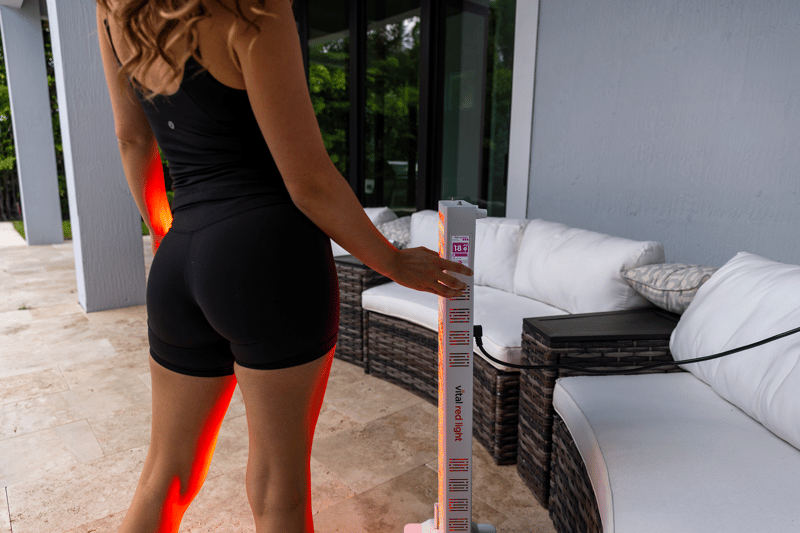
To reap the maximum benefits, some people like to use red light therapy and EMS in the same session. A common approach is to start with red light therapy for 10-20 minutes to “pre-charge” your cells and warm up the tissues, then follow with an EMS workout or recovery session for 15-30 minutes. The red light can reduce initial muscle stiffness and increase circulation, making the EMS muscle contractions more effective and comfortable. Alternatively, you can use red light therapy after an EMS session as a cool-down to calm inflammation and jump-start the repair process. There’s no strict rule, so you can experiment with what feels best for your body. Always ensure you stay hydrated and don’t overdo intensity; listen to your body’s signals.
Revolutionize Your Wellness Routine
Electrical muscle stimulation and red light therapy each offer remarkable benefits on their own, but together they form a holistic approach to fitness and recovery. By blending EMS’s muscle-building, circulation-boosting power with red light’s healing, anti-inflammatory energy, you can achieve enhanced muscle recovery, effective pain relief, better blood flow, and even performance gains that keep you at the top of your game. This synergistic approach caters to both the external needs of your muscles (strength and movement) and the internal needs (cellular repair and energy), ultimately helping you feel stronger, recover faster, and perform better in your activities.
Whether you’re a dedicated athlete or simply someone looking to live pain-free and active, the combination of EMS and red light therapy can offer a convenient, science-supported boost to your wellness routine. It’s accessible and easy to use – many at-home devices make it possible to do a 20-minute red light session and an EMS workout right in your living room. By investing in your recovery and muscle health through this powerful duo, you’re not only enhancing your fitness results but also supporting your body’s long-term well-being. In the world of wellness tech, EMS and red light therapy prove that two is better than one. So join the wellness revolution and explore this synergistic approach to see how light and electricity together can energize your body, accelerate your recovery, and illuminate your path to better health and performance.


