



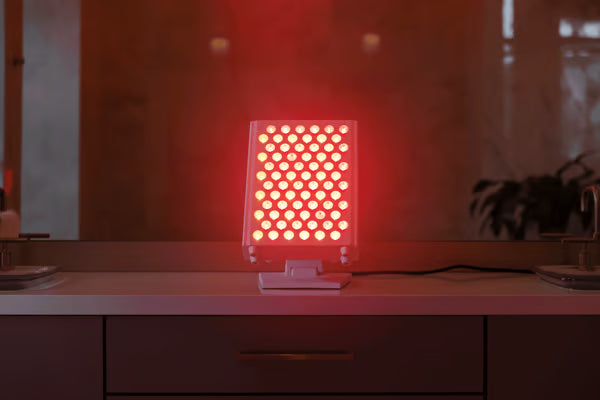
NASA scientists first studied red light therapy’s effects in the 1990s to help astronauts heal wounds faster. Today, red light therapy benefits research has transformed this treatment into a vital tool for skincare and wellness, supported by substantial clinical studies.
Your body responds to red light therapy by producing more collagen and elastin, while blood flow improves throughout. The therapy helps your skin look better by reducing fine lines and wrinkles, and improving texture. On top of that, it speeds up wound healing and minimizes scarring from acne, surgery, or injuries.
Red light therapy’s benefits go well beyond skin improvements – people use it to treat eczema, hair loss, mild to moderate acne, and psoriasis. The science behind it is fascinating – red light stimulates your cells’ mitochondria to produce more adenosine triphosphate (ATP), which gives cells the energy they need to heal and regenerate.
This piece breaks down what medical research reveals about red light therapy, from how it works to its real-world health and beauty applications. You’ll find how different wavelengths serve specific purposes – red light (630–700 nm) helps skin health, while infrared light (700–1000 nm) reaches deeper to heal tissues and relieve pain.
The Science Behind Red Light Therapy
Red light therapy works through its amazing interaction with your cells, especially the mitochondria—often called the “power plants” of your cells. The way this treatment works explains its impressive results for many health conditions.
How Red Light Stimulates Mitochondrial Function
Red light therapy targets cytochrome c oxidase, the terminal enzyme in the mitochondrial electron transport chain. Specific wavelengths of red and near-infrared light help this enzyme improve the production of adenosine triphosphate (ATP), your cells’ energy currency. This process, known as photobiomodulation, boosts cellular metabolism and creates a cascade of beneficial effects.
Red light therapy removes nitric oxide from the cytochrome c oxidase enzyme. Nitric oxide blocks oxygen at a ratio of 1:10, so even low-energy photons can remove this blockage. This allows more cellular respiration. The increased energy production then reduces inflammation and speeds up tissue repair.
Wavelengths Used in Red Light Therapy Devices
The therapeutic window for red light therapy includes specific wavelength ranges:
- Red light: 630–700 nanometers (nm), visible to the human eye
- Near-infrared light (NIR): 750–1000 nm, invisible but penetrates deeper
Research shows that not all wavelengths work equally well. Two ranges offer the best therapeutic benefits: 630–670 nm in the red spectrum and 810–850 nm in the near-infrared spectrum. Wavelengths between 700–750 nm show limited biochemical activity.
Difference Between Red And Infrared Light Therapy
Red and infrared therapies differ mainly in how deep they reach. Red light (630–700 nm) goes about 4–5 mm into tissue, which makes it perfect for skin-related conditions. Red light targets skin’s fibroblasts and boosts collagen and elastin production.
Near-infrared light reaches deeper—up to 1.5 inches below the skin surface. This deeper reach allows NIR to help muscles, joints, and even bone tissue. Red light works best for surface skin conditions, while NIR helps more with deep tissue issues like muscle recovery and joint pain.
Both types of therapy boost mitochondrial function but work at different depths. We suggest getting devices that offer both wavelengths to get the most out of your home therapy sessions.
Red Light Therapy Research Benefits: 6 Top Health Hacks
Clinical research shows red light therapy has many health benefits that work in different medical treatments. Research evidence points to these six powerful therapeutic effects:
Anti-Aging: Collagen and Elastin Boost
Red light therapy helps skin fibroblasts make more collagen and elastin—proteins your skin needs to stay firm and elastic. Research shows red light (640 nm) combined with near-infrared light makes human fibroblasts produce more hyaluronic acid synthase and elastin genes in just three days. LED red-light treatments have impressed patients too. Over 90% of them reported better skin texture and lighter dark spots.
Acne Reduction and Skin Clarity
Blue light kills acne bacteria, but red light takes a different approach. It reduces inflammation and helps heal existing acne spots. The light reaches deep into your skin to calm and repair tissue. This makes it great at reducing acne scars through its anti-inflammatory effects.
Hair Growth Support via Follicle Activation
People with thinning hair see amazing results with 650 nm red light therapy. Women in clinical studies grew up to 51% more hair compared to placebo groups. The therapy works by keeping hair follicles in their growth phase (anagen) longer and delaying their shift to the resting phase (catagen).
Enhanced Muscle Recovery and Pain Relief
Athletes love how red light therapy boosts cellular energy production. Studies on photobiomodulation show better sports performance and less inflammation in muscle samples. It helps recovery too by reducing DOMS (Delayed Onset Muscle Soreness) and improving movement range from 24–96 hours after exercise.
Improved Mood and Sleep Quality
Low-level light therapy helps people sleep better, think clearer, and feel less depressed. Your brain responds to the therapy with increased blood flow and more serotonin—a crucial mood-regulating neurotransmitter. Red light also helps your body make more melatonin, which helps reset your internal clock for better sleep.
Faster Wound Healing and Scar Fading
Red light speeds up wound healing. It activates cells, increases blood flow, and helps make more collagen. Clinical trials showed impressive results. LED-RL treated scars improved by 62.5-77.8% compared to just 40–50% in control scars. The treatment’s success speaks for itself—70.8% of patients said they would tell their friends about it.
How To Do Red Light Therapy At Home Safely
Red light therapy at home is convenient, but you need proper safety protocols to get effective treatment. Creating a therapeutic space in your home needs careful attention to several key factors.
Choosing an FDA-Cleared Device
FDA clearance should be your first priority when buying a red light therapy device. This designation shows the device has passed regulatory review and meets safety standards that are 20 years old. FDA-cleared devices give you confidence in their safety profile as they match legally marketed products.
Your device should offer specific wavelengths to get the best therapeutic results: 630–660nm works for skin treatments and 810–850nm helps with deeper tissue. The device needs enough power (at least 100mW/cm²) to work properly.
Infra Red Light Therapy at Home: Setup and Use
Pick the best spot for your device based on what you want to treat. Stay 6–12 inches away from the device for deep tissue and muscle treatments. Move back 12–36 inches for skin-level concerns.
To get the best results:
- Keep the treatment area bare since clothes block light
- Clean off sunscreen or makeup with SPF that might reduce effectiveness
- Use your device in a clean space without reflective surfaces
Recommended Session Duration and Frequency
Begin with 3–5 sessions weekly, keeping each treatment area between 1–10 minutes. You can slowly increase sessions to 15–20 minutes as your body adapts. Most people see the best results with 3–5 sessions every week.
Note that red light therapy needs regular use to work. This isn’t a quick solution – you’ll need consistent treatment over time.
Eye Protection and Skin Sensitivity Testing
Red light therapy is generally safe, but you must protect your eyes, especially with near-infrared devices. Blackout goggles or special LED light therapy eye shields prevent eye strain and discomfort.
Test your skin’s sensitivity before starting full treatment:
- Put the device on your inner forearm
- Run it for 3 minutes
- Stop right away if your skin feels hot
- Watch for redness or irritation for 24 hours
Your skin might be sensitive to light if redness lasts more than 2 hours. Move the device farther away, shorten your sessions, or lower the light intensity if this happens.
What To Expect And How To Maximize Results
Patience and consistency are crucial when you start your red light therapy experience. Let’s get into what you can realistically expect and ways to improve your treatment results.
How Long Does It Take for Light Therapy to Work?
Red light therapy results develop over time, and the timeline varies based on your condition. Many users feel relaxed and notice better blood flow right after their first session. All the same, visible improvements usually follow this timeline:
- Short-term results (1–4 weeks): You’ll see subtle changes in skin appearance, less inflammation, and some pain relief
- Mid-term results (1–3 months): Your skin becomes firmer, wrinkles reduce, and mobility improves
- Long-term results (3+ months): You’ll see much more collagen production, faded scars, and better hair growth
Your results depend on how your body responds, treatment frequency, overall health, and the quality of your device. However, it is true that FDA-cleared devices give you better and more reliable results than non-cleared options.
Combining Red Light Therapy with Skincare Routines
A collaborative effort between complementary products and red light sessions can dramatically improve your results. Here’s the best sequence to follow:
- Clean your skin really well to remove makeup and oils
- Do your red light therapy session on clean, dry skin
- Wait 5–10 minutes after treatment
- Put on serums or retinol products (never apply retinol before sessions because light can break it down)
Skincare products with green tea, vitamin C, hyaluronic acid, retinol, or peptides work well with red light therapy. These ingredients help seal in the therapy’s benefits while nourishing your skin.
Tracking Progress and Adjusting Protocols
Progress tracking helps you stay motivated and fine-tune your approach. Before you begin treatment:
- Take clear “before” photos in consistent lighting
- Keep a journal to track changes in pain levels, skin appearance, or other conditions you’re targeting
- Note your session frequency, duration, and device distance
Your progress might plateau. You can adjust your protocol by changing treatment distance, doing sessions more often (3–5 times weekly works best), or making sessions longer (10–20 minutes each).
The right dose matters—use the formula “Power Density × Time = Dose” to calculate your exposure. The best results happen within 0.1–6 J/cm², though deeper tissues need higher doses.
Take Charge Of Your Wellness With Vital Red Light
Red light therapy is more than a trend—it’s a science-backed wellness tool trusted by researchers, athletes, dermatologists, and everyday users alike. Whether you’re looking to rejuvenate your skin, reduce inflammation, recover from workouts, or improve your overall health, consistent red light therapy delivers real, lasting results.
At Vital Red Light, we make it easy to bring these benefits home. Our FDA-cleared devices are engineered to deliver therapeutic wavelengths that activate your body’s natural healing processes—safely, effectively, and conveniently. Whether you need red light for surface treatments or near-infrared light for deeper healing, our devices offer clinical-grade strength and support every step of the way.
- Trusted technology
- Clinically supported wavelengths
- Designed for safe home use
Start seeing results in as little as 1–4 weeks, with maximum benefits after just a few months of regular use.
Ready to get started? Explore our full line of professional-grade red light therapy devices today and take the next step in your wellness journey.


